




Don’t Get Shattered: Easy Steps for Window Pane Replacement
Why Cracked Glass Replacement Matters for Your Home’s Safety and Comfort
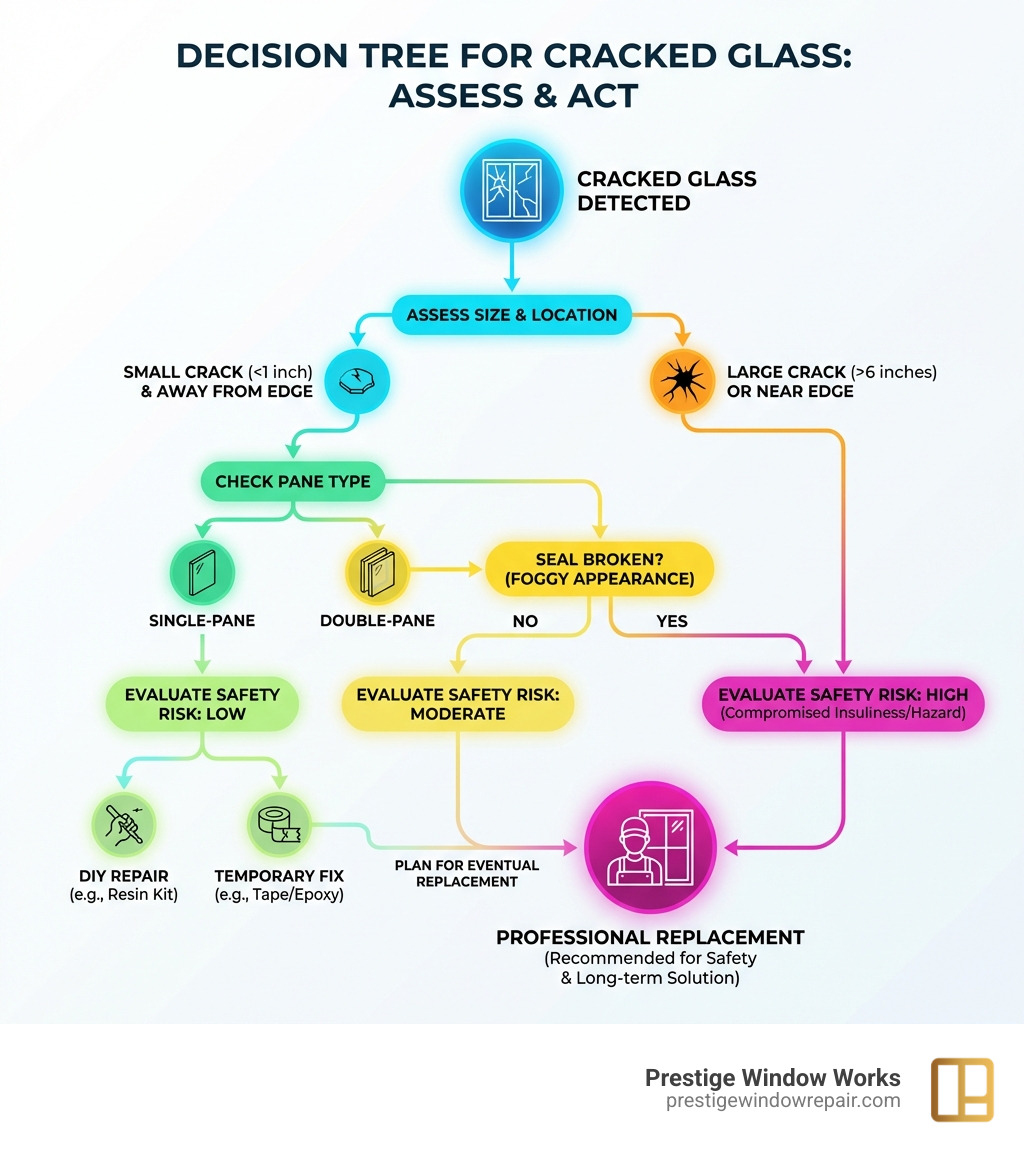
Cracked glass replacement in New Rochelle, NY or nearby areas is essential when your window has damage that compromises safety, energy efficiency, or structural integrity. Here’s what you need to know:
When to Replace Cracked Glass:
- Large cracks (over 6 inches) or multiple cracks
- Double-pane windows with broken seals (foggy appearance)
- Cracks in the driver’s line of sight (for windshields)
- Glass no longer held by the frame
- Any crack creating a safety hazard
When Repair May Work:
- Small chips (under 1 inch) in single-pane glass
- Minor cracks not near edges
- Damage caught early before spreading
A cracked window is more than an eyesore. It’s a breach in your home’s safety, comfort, and energy efficiency. As the research shows, cracked glass poses real threats—from injuries caused by sharp edges to compromised insulation that drives up energy bills. Whether it’s thermal stress from temperature swings, an impact from a stray baseball, or simply an aging window giving out, understanding the cause and severity of the damage is your first step toward a solution.
Though you can stabilize and slow the spread of a glass crack with temporary fixes like tape or epoxy, the glass will eventually need to be replaced for safety reasons. Small cracks can become major problems. They spread, obstruct your view, and weaken your window’s structural integrity. For double-pane windows, even a minor crack can break the seal between panes, leading to foggy glass and heat loss.
I’m Andrew Lukas, owner of Prestige Window and Door Repair, and I’ve helped countless homeowners in New Rochelle and Connecticut restore their windows through professional cracked glass replacement and repair services. My focus is on preserving your existing windows with quality craftsmanship that extends their life and keeps your home safe and comfortable.
Understanding the Damage: Causes and Types of Glass Cracks
A cracked window doesn’t just appear out of nowhere (unless it’s a spontaneous break, which we’ll get to!). There’s always a reason, and understanding that reason helps us determine the best course of action for cracked glass replacement or repair. Let’s dig into the common culprits and the tell-tale signs of different crack types.
Common Causes of Cracked Glass
When we assess a damaged window in homes across New Rochelle and Connecticut, we often find the damage stems from one of these common causes:
- Physical Impacts: This is perhaps the most obvious cause. A stray baseball, a rock kicked up by a lawnmower, a clumsy move during home renovations, or even a bird flying into the window can all lead to impact cracks. These are usually easy to spot as they originate from a single point.
- Extreme Temperature Fluctuations (Thermal Stress): Imagine a hot summer day followed by a sudden, chilly evening, or a scorching sun hitting one part of a window while another part remains shaded and cool. Glass expands and contracts with temperature changes. If the temperature difference across a pane is too drastic, or if the glass is constrained by the frame, it can create immense stress, leading to a thermal stress crack. This is especially common in single-pane windows.
- Air Pressure Changes: While less common in single-pane windows, significant air pressure differences between the panes of a double-pane window can cause cracks. This can happen due to altitude changes during manufacturing or transportation, or a weakening of the window unit over time.
- Frame Stress (Incorrect Installation or Shifting Homes): Windows need to be installed perfectly level and plumb, with adequate space for the glass to expand and contract. If a window is installed incorrectly, it can put undue pressure on certain portions of the glass, leading to cracks. Similarly, as homes settle and shift over time, slight movements in the window frame can exert pressure on the glass, causing it to crack. Tall and narrow windows, for instance, are exposed to more stress and are at a higher risk of spontaneous breakage due to uneven weight distribution.
- Old Windows: Like us, windows age. Older windows are more prone to cracking due to material fatigue, weakening seals, and general wear and tear. The glass itself might become more brittle over decades of exposure to the elements. Also, damaged window edges that might have gone unnoticed during original installation can worsen over time, leading to cracks as the glass expands and contracts.
Identifying Different Types of Glass Cracks
Not all cracks are created equal. Knowing the type of crack can give us clues about its cause and how best to address it.
- Impact Cracks (Starburst or Spiderweb): These are the easiest to identify. They look like a starburst or a spiderweb, radiating outwards from a central point of impact. If you saw or heard something hit your window, this is almost certainly the culprit. While the point of impact might be small, the cracks can spread significantly.
- Thermal Stress Cracks (Perpendicular): These cracks typically run perpendicular to the edge of the glass, starting from the frame. They are usually straight or slightly wavy, without a central point of impact. They appear after sudden temperature changes and indicate that the glass experienced significant stress from expansion or contraction.
- Pressure Cracks (Hourglass Curve): Most common in double-pane windows, these cracks often appear as an hourglass curve or a double crescent shape on the glass surface. They are a result of pressure changes between the two panes, often indicating a compromised seal in the Insulated Glass Unit (IGU).
To Repair or Replace? Making the Right Decision
Once you’ve identified a crack, the big question is: can it be fixed, or do you need a full cracked glass replacement? This decision isn’t always straightforward, but considering safety, effectiveness, and long-term costs will guide us.
Can Cracked Glass Be Repaired?
For homeowners in Greenwich, Manhasset, and across our service areas, we often get asked if a small crack can just be “patched up.” The answer is sometimes, but with significant caveats.
- Small Chips and Minor Cracks: If you’re dealing with very small chips (under 1 inch) or minor cracks that are not spreading, not in a critical area, and crucially, are in single-pane glass, temporary repairs might be an option.
- Epoxy Repair Kits: For these minor damages, special two-part epoxy mixtures or glass repair kits can be used. These kits involve applying a strong adhesive that bonds the glass together. While they can prevent the crack from spreading further and restore some structural integrity, they rarely make the damage invisible. A slight blemish or imperfection where the impact occurred is normal.
- When Repair is Viable: We consider repair viable for home windows only when the crack is very small, stable, and cosmetic, not structural. However, even successfully repaired cracks are not guaranteed never to spread, and the glass will still be weaker than an intact pane. For anything beyond a tiny, superficial blemish, we lean towards replacement.
When Replacement is the Only Option
While temporary fixes and minor repairs can buy you some time, there are many situations where cracked glass replacement is not just recommended, but absolutely necessary for safety, energy efficiency, and the integrity of your home.
- Large Cracks or Spreading Damage: Any crack longer than a few inches, or one that is actively spreading, indicates significant structural compromise. Untreated chips and cracks will spread, obstructing your view and weakening the glass further. At this point, repair is unlikely to be effective or safe.
- Foggy Double-Pane Windows (Broken Seal): If you have a double-pane window and notice condensation or a foggy appearance between the panes, it means the airtight seal of the Insulated Glass Unit (IGU) has failed. Even a small crack in one pane of an IGU can break this seal, allowing moisture to enter and reducing the window’s insulating properties. Once the seal is broken, the IGU must be replaced, as a repair to the glass won’t restore the insulation.
- Compromised Structural Integrity: If the glass is broken and no longer securely encased within the frame, or if the crack has created a significant safety hazard (like sharp, loose shards), replacement is imperative.
- Safety Hazards: Cracked windows can be dangerous, especially in busy areas of your home. Shards of glass, even small ones, can cause serious injury. If the broken glass has created a safety hazard, immediate replacement is the best course of action.
- Laminated Glass Damage: While laminated glass (often found in vehicle windshields, but also some specialty home windows for security) is designed to hold together when cracked, any significant damage to it still compromises its protective qualities and requires replacement.
Here’s a quick comparison to help you weigh your options:
| Feature | DIY Repair (Small, Single-Pane) | Professional Cracked Glass Replacement |
|---|---|---|
| Cost | Low (kit cost) | Moderate to High (materials + labor) |
| Time | Quick (minutes to hours) | Dependent on glass availability, 1-2 hours for professional replacement |
| Safety | Moderate risk (handling glass, chemicals) | Low risk (trained professionals) |
| Effectiveness | Temporary, cosmetic improvement, not structural | Permanent, restores full integrity & aesthetics |
| Tools | Basic kit, razor blade, cleaner | Specialized tools, glazier’s equipment, safety gear |
| Warranty | None | Often includes guarantees on work & materials |
| Long-Term | Crack may still spread, reduced insulation | Restored energy efficiency, improved home value |
The Ultimate Guide to Cracked Glass Replacement
Whether you’re tackling a minor repair yourself or calling in the experts for a full cracked glass replacement, understanding the process can be incredibly helpful. For complex jobs, especially with insulated glass units or specific frame types, we always recommend professional assistance.
Safety First: How to Handle Broken Glass
Before you even think about touching a cracked window, your safety is paramount. Broken glass is extremely dangerous.
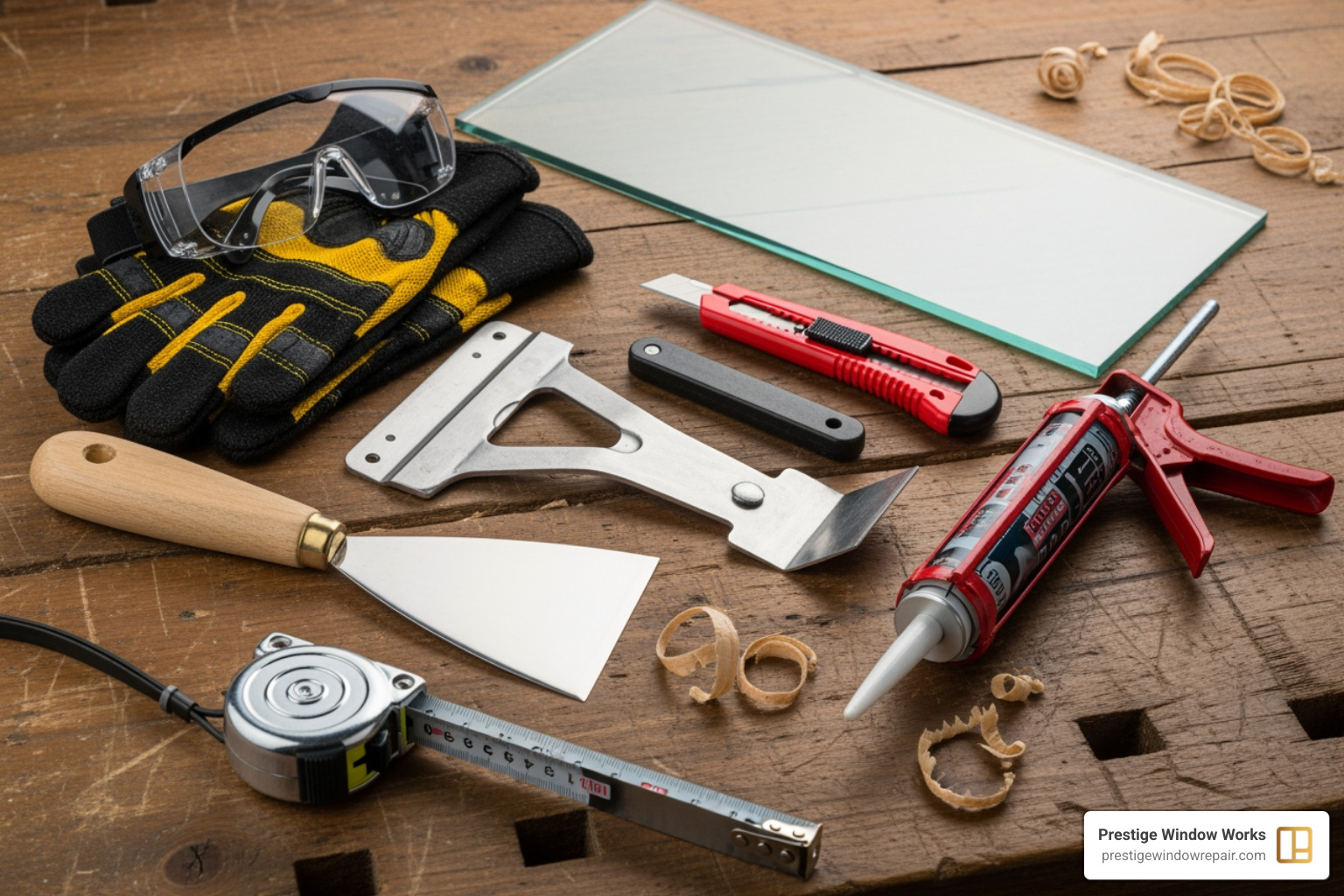
- Gear Up: Always wear heavy, cut-proof gloves and safety goggles. We can’t stress this enough – even tiny shards can cause serious injury.
- Tape the Crack: For an intact but cracked pane, applying an “X” shape of strong tape (like duct tape or masking tape) across the crack on both sides can help hold the glass together and prevent further shattering during removal. This also reduces cleanup.
- Clear the Area: Ensure children and pets are kept well away from the damaged window. Lay down a tarp or old sheets below the window to catch any falling glass.
- Careful Removal: When removing broken pieces, work slowly and deliberately. Use a stiff brush or a vacuum with a hose attachment for small shards and dust.
Step-by-Step Home Cracked Glass Replacement
Replacing a single pane of glass in a home window, especially in older wood frames, can be a DIY project for the handy homeowner. However, it requires patience and precision.
- Remove the Window Sash (If Possible): If your window allows, remove the entire sash and place it on a stable workbench. This makes the job much easier and safer.
- Remove Old Putty/Glazing: For wood frames, use a heat gun to soften old glazing putty and a putty knife to scrape it away. Be careful not to damage the wood. For vinyl or aluminum frames, you’ll typically remove rubber gaskets or vinyl strips.
- Remove Glazing Points: In wood frames, small metal triangles called glazing points secure the glass. Carefully pry these out with a putty knife or pliers.
- Extract Broken Glass: Wearing your safety gear, carefully remove all pieces of the broken glass. Use a wire brush to clean out any remaining debris from the frame’s channels.
- Measure for New Glass: This is crucial. Measure the height and width of the opening accurately. We always recommend ordering the new glass pane approximately 1/16 to 1/8 inch shorter in both directions to allow for expansion and easy fitting. Also, measure the thickness of the old glass to ensure the new pane fits the frame’s channel.
- Prepare the Frame: For wood frames, sand the grooves to bare wood and apply a wood sealer or linseed oil to protect it and ensure good adhesion for new putty. For vinyl or aluminum, ensure the channels are clean and free of old sealant.
- Apply New Glazing or Sealant:
- Wood Frames: Apply a thin bead of glazing compound (putty) into the frame’s channel.
- Vinyl/Aluminum Frames: Apply a bead of silicone caulk or use foam glazing tape in the channel.
- Set the New Pane: Gently set the new glass pane into the prepared channel. Press it firmly but carefully into the glazing compound or sealant.
- Secure the Glass:
- Wood Frames: Reinsert glazing points every 6-8 inches, pressing them into the wood to hold the glass in place. Then, apply a fresh layer of glazing compound, smoothing it with a putty knife at a 45-degree angle for a clean, waterproof seal.
- Vinyl/Aluminum Frames: Replace the rubber gaskets or vinyl strips, ensuring a snug fit. If using silicone, apply a bead along the edges of the glass and smooth it.
- Finishing Touches: Allow glazing compound to cure (this can take days or weeks). Once cured, you can paint the wood frame, using painter’s tape to protect the glass. Clean the new glass thoroughly.
How to Handle an IGU Cracked Glass Replacement
Insulated Glass Units (IGUs), commonly known as double-pane or triple-pane windows, are a different beast entirely. They consist of two or more panes of glass separated by a spacer and filled with an inert gas (like argon) to provide superior insulation.
- The Broken Seal: As we discussed, a crack in just one pane of an IGU almost always means the airtight seal between the panes has been compromised. This allows moisture to enter the space, leading to fogging, condensation, and a significant loss of energy efficiency.
- Replacing the Entire Unit: Unlike single-pane glass, you cannot simply replace one pane of an IGU and reseal it effectively. The entire unit is manufactured as a sealed system. Therefore, if an IGU is cracked or its seal is broken, the entire Insulated Glass Unit must be replaced. This involves removing the old IGU from the window frame and installing a new, custom-fabricated unit.
- Professional Expertise: Due to the precision required for measuring, ordering, and installing IGUs, this is almost always a job for professionals. We specialize in precise IGU broken glass replacement in Riverside, CT and in areas like Rye, Stamford, and White Plains, ensuring your new unit is perfectly sealed and performs optimally.
Benefits, Prevention, and Professional Guarantees
Beyond the immediate fix, addressing cracked glass offers significant long-term benefits for your home. We also believe in empowering homeowners with knowledge on how to prevent future cracks, and what to expect from professional services.
If you are curious about how modern glazing helps with insulation and comfort, you can learn more about insulated glazing and how multi-pane units improve energy performance.
The Benefits of Replacing Cracked Glass
Investing in cracked glass replacement is an investment in your home’s future.
- Improved Safety: This is paramount. Replacing cracked glass eliminates the risk of injury from sharp edges or shattering panes. For vehicle owners, a cracked auto windshield greatly compromises safety in the event of a collision or rollover. While Prestige Window Works focuses on home windows, the principle of safety is universal.
- Lower Energy Bills: A cracked window, especially a double-pane one with a broken seal, is a massive energy leak. It allows heated or cooled air to escape, forcing your HVAC system to work harder. Replacing it restores insulation, leading to noticeable savings on your energy bills.
- Increased Curb Appeal and Home Value: Let’s be honest, a cracked window looks bad. Replacing it instantly improves the aesthetic appeal of your home, both inside and out. High-quality, intact windows are also a significant selling point, increasing your home’s market value. Buyers notice quality windows and are willing to pay more for energy efficiency and curb appeal.
- Noise Reduction: Intact, properly sealed windows, especially double-pane units, offer excellent soundproofing. A crack can let in unwanted street noise, disrupting your peace and quiet. Replacing the glass helps restore your home’s tranquility.
- UV Protection: Many modern windows come with Low-E coatings that protect your furniture, flooring, and artwork from damaging UV rays, preventing fading. A cracked window loses this protective barrier.
How to Prevent Future Window Cracks
While some accidents are unavoidable, there are steps you can take to minimize the risk of future window cracks:
- Avoid Sudden Temperature Changes: Try to maintain a relatively steady indoor temperature. For instance, don’t blast cold air directly onto a window that has been baking in the sun. In regions with extreme temperature fluctuations, such as those we experience in Connecticut and New York, windows are at a higher risk of thermal stress cracks. Consider thicker glass or high-quality insulated units designed for such conditions.
- Ensure Proper Installation: This is critical. Windows installed incorrectly can face additional pressure on certain portions, increasing the risk of cracks. Always ensure professional, precise installation that allows for natural expansion and contraction.
- Consider Thicker Glass: For areas prone to impact or extreme weather, installing thicker glass can help minimize the risk of cracks.
- Regular Maintenance Checks: Inspect your windows regularly, at least once a season. Look for small chips, hairline cracks, or signs of seal failure (fogging). Addressing minor issues early can prevent them from becoming major problems.
- Seal Gaps and Joints: Promptly seal any gaps or joints around your window frames to prevent water seepage and maintain structural integrity. This can also help prevent drafts.
- Add Storm Windows: In areas with high winds or significant temperature swings, adding storm windows can provide an extra layer of protection and insulation.
- Apply Window Film: Some window films can absorb stress, block damaging UV rays, and even hold glass together if it breaks, offering an additional layer of protection.
Frequently Asked Questions about Glass Replacement
We understand you likely have many questions about cracked glass replacement. Here are some of the most common inquiries we receive from homeowners in Darien, Mamaroneck, and surrounding communities.
Can a small crack in a double-pane window be repaired?
No, a crack in a double-pane window typically breaks the airtight seal between the panes. This compromises its insulating properties, leading to fogging and energy loss. The entire Insulated Glass Unit (IGU) must be replaced to restore functionality.
Will my insurance premium go up after a glass claim?
For minor window repairs, most insurance policies will not raise your premium. However, a full replacement for a home window might affect your rates or require a deductible. It is always best to consult your insurance provider for specifics on your policy. We can assist you by providing detailed estimates and working with your insurance company to streamline the process.
How long does it take to replace a window pane?
The time required varies. A simple, standard-sized pane in a wood frame might take a professional an hour or two. A custom-sized Insulated Glass Unit (IGU) or a more complex frame can take longer, especially if the glass needs to be special-ordered. We pride ourselves on efficient service and will keep you informed every step of the way.
Conclusion
Addressing a cracked window promptly is crucial for maintaining your home’s safety, security, and energy efficiency. While minor cracks can sometimes be temporarily patched, a full replacement is often the most reliable and lasting solution for significant damage. For expert care and a flawless finish that restores your peace of mind, consider professional services. At Prestige Window and Door Repair, we are dedicated to providing long-lasting solutions that ensure the safety, comfort, and visual appeal of your home.
Let our on-site experts handle all your repair and replacement needs!
other posts
Window Seal Repair: Preventing Moisture Buildup and Restoring Insulation
Window seal repair is more specific than it sounds. Understand the different seals that protect your windows, how each fails, and what proper repair involves.
Window Glass Repair: Professional Techniques for Restoring Strength and Clarity
Window glass repair takes more than basic tools. See the professional methods that restore glass clarity, strength, and a long-lasting seal.
The Ultimate Guide to Window Replacement in Greenwich, CT
Searching for 'replace my windows in Greenwich, CT'? Choose Prestige Window and Door Repair for expert window installation and repair. Boost curb appeal & save on bills!
House Window Repair: Protecting Energy Efficiency and Home Comfort
House window repair does more than fix visible damage. Learn how failing windows affect energy bills, indoor comfort, and noise, and what repair restores.
Clear Views Ahead: Replacing Your Jalousie Window Panes
Learn all about louvre window glass replacement in Greenwich, CT: follow our step-by-step DIY guide for perfect fit. Contact Prestige Window and Door Repair!