




Andersen Window Repair: Maintaining Performance and Extending the Life of Premium Windows
Andersen window repair is a specific enough topic to deserve its own treatment because Andersen windows are not generic products. They are engineered systems with proprietary components, specific materials, and performance specifications that differ from standard stock windows.
Homeowners who have invested in Andersen products want to maintain that investment, and doing that correctly means understanding what makes these windows distinctive, what tends to fail over time, and what Andersen window repair looks like when it is done by someone who knows the product.
What Makes Andersen Windows Different
Andersen produces a range of window lines that span from entry-level to premium, each with its own material composition, hardware system, and glass specification. The most widely installed lines in older Connecticut and New York homes are the 400 Series and the A-Series, the latter using Andersen’s proprietary Fibrex composite material for the frame and sash.
Fibrex is a composite of wood fiber and thermoplastic polymer. It is more dimensionally stable than solid wood because it does not absorb moisture and swell or contract the way wood does. It is also more durable than standard vinyl because it resists warping under temperature extremes more effectively.
But it is not wood, and that matters for repair. Epoxy fillers and standard wood consolidants that work well on solid wood frames do not bond to Fibrex the way they do to timber, which means repairs to Fibrex components require a different approach than traditional wood-frame work.
Andersen’s hardware systems are also largely proprietary. The operators on casement and awning windows, the balance systems in double-hung units, the lock mechanisms, and the sash lift hardware are all Andersen-specific components.
Replacement parts need to match the original series and production period of the window, and sourcing them correctly requires knowing what you are looking for.
A general repair technician who does not work with Andersen products regularly will often not know the specific part identifiers or where to source them, which leads either to incorrect replacements or to declaring the window non-repairable when the right part is simply a matter of knowing where to look.
The Most Common Andersen Window Repair Issues
Like all windows, Andersen units develop predictable failure patterns over time. Understanding the most common ones helps homeowners know what to watch for and when to call for service.
Insulated glass unit seal failure is the most frequently reported issue across all Andersen product lines. The insulated glass units in Andersen windows use a factory-sealed assembly with a desiccant-filled spacer and a dual-seal perimeter system. When that seal fails, the result is the familiar persistent fogging between the panes that no surface cleaning can address.
Andersen window repair for a failed IGU means replacing the glass unit with a correctly specified replacement. In most cases the frame and sash remain in place, and only the glass unit is swapped out.
Andersen provides replacement IGUs for most of their current and recent product lines, though older or discontinued series may require sourcing compatible units from specialty glass suppliers.
Hardware failure is the second most common category of Andersen window repair. The operators on casement and awning windows take the mechanical load of moving a large, heavy sash repeatedly and eventually wear out.
The operator arm, the drive gear, and the cam mechanism are all subject to wear, and when they fail the sash either will not open fully, will not stay in position, or will not close and lock properly.
Andersen hardware components are available as replacement parts for most active product lines, and a technician who knows the Andersen system can typically identify and source the correct part based on the series, the window size, and the production date stamped on the unit.
Balance system failure in double-hung windows is the third common issue. The balance assemblies in Andersen double-hung units hold the sash in position at any height along the vertical opening.
When they fail, the sash drops when raised or refuses to stay up under its own weight. Balance systems are sash-specific in their tension specification, and replacing them correctly requires matching the replacement to the original sash weight and the specific balance series used in that window line.
Weather seal degradation is a fourth consistent pattern in Andersen window repair. The foam bulb seals and pile weatherstripping used in Andersen windows compress and lose their recovery over years of use, leading to air infiltration around the sash perimeter.
Andersen-specific weatherstripping is available for most product lines and restores the sash-to-frame seal without requiring any frame work.
Why Brand-Specific Knowledge Matters for Andersen Window Repair
The reason Andersen window repair benefits from brand-specific expertise is that every decision in the repair process, part sourcing, material compatibility, adjustment procedures, and glass specification, is tied to how the specific Andersen product was engineered.
A technician who replaces a failed Andersen operator with a generic aftermarket part that fits the mounting holes but does not match the original drive ratio will produce a window that operates differently from the manufacturer’s design.
It may work adequately for a while, but it will not hold up the way an original-specification replacement would. The same applies to glass units, balance systems, and weatherstripping.
Andersen designs these components to work together within a defined tolerance, and substitutions that fall outside that tolerance affect long-term performance even when they seem functionally acceptable on the day of installation.
For homeowners who want to understand what maintenance costs typically look like for quality residential windows, the post on a homeowner’s guide to window caulking prices puts the recurring maintenance investment in context, since caulking and sealing around Andersen frames is a routine maintenance item that affects long-term performance significantly.
What to Expect From a Professional Andersen Window Repair Visit
A professional Andersen window repair assessment starts by identifying the specific product line, series, and approximate production date of the windows being repaired. This information is typically available from a label on the sash or frame and determines which replacement parts and glass specifications apply.
For IGU replacement, the technician measures the existing unit, confirms the glass specification including any low-emissivity coatings or tempered glass requirements, and orders the replacement unit.
The installation involves removing the glazing stops or bead, taking out the failed unit, setting the new unit on appropriate spacer blocks, and reinstalling the bead with new sealant. The result is a factory-sealed unit installed correctly within the original Andersen frame.
For hardware repair, the technician identifies the specific part that has failed, sources the correct Andersen replacement, removes the damaged component, and installs the new one with the proper adjustment.
For operators, this includes verifying that the operator throw matches the sash opening distance and that the sash closes flush and locks correctly after installation.
For weatherstripping, the old material is removed completely, the contact surfaces are cleaned, and new Andersen-compatible stripping is applied at the correct profile and compression depth for the window series.
If you are also experiencing issues with glass repair needs on a related awning-style window, understanding the practical scope of that work is useful context when planning repairs across multiple windows in the same home.
Andersen Windows and Their Doors
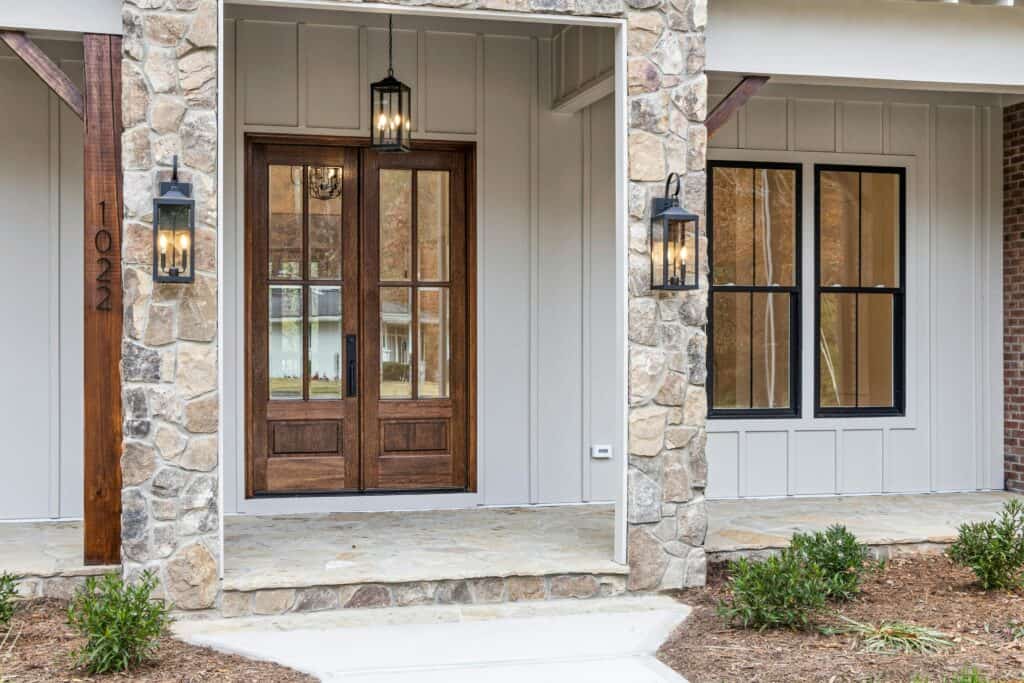
Many homes with Andersen windows also have Andersen patio doors, entry doors, or storm doors, and the same brand-specific repair logic applies to those units. Andersen door hardware, adjustment systems, and glass specifications are similarly proprietary, and repairs that require part sourcing benefit from the same knowledge of the Andersen product catalog.
For Andersen sliding and hinged patio doors with glass panel issues, the glass unit replacement process is similar to that of the windows, though the panels are typically larger and heavier, which affects handling and setting block placement during installation. If your Andersen window repair visit also surfaces issues withyour door hardware, a combined assessment keeps everything addressed in the same visit rather than requiring a return call.
When Andersen Window Repair Gives Way to Replacement
Not every failing Andersen window is worth repairing. The calculation involves the age of the window, the availability of parts, the condition of the frame, and what the total repair cost represents relative to the replacement cost.
Andersen windows from older discontinued series sometimes have parts or glass specifications that are no longer available through Andersen’s supply chain. In those cases, compatible aftermarket parts may work, or the repair scope may be limited to what can be sourced.
When a frame has sustained significant moisture damage, a compromised Fibrex composite section, or structural distortion that affects how the sash operates, repair may not restore the window to its original operating standard and replacement becomes the more practical path.
For homeowners evaluating that decision, Prestige Window Works provides honest assessments that identify what is repairable within a reasonable cost range and what has passed the point where repair makes financial or functional sense.
The post on your home replacement window options is a useful resource when that conversation turns toward what full replacement would involve.
Frequently Asked Questions (FAQs)
1. Can Andersen Window Hardware Be Replaced Without Replacing the Whole Window?
Yes, in most cases. Andersen produces replacement hardware for the majority of their active and recent product lines, including operators, balance systems, locks, and weatherstripping.
A technician familiar with the Andersen product catalog can identify the correct replacement part from the window series and production information and install it without disturbing the frame or sash.
2. My Andersen Window Is Fogging Between the Panes. Does the Whole Window Need to Be Replaced?
No. Fogging between the panes means the insulated glass unit’s seal has failed, but in most cases the frame and sash are still in good condition. Andersen window repair for this issue involves replacing only the glass unit while the frame stays in place. Replacement IGUs are available for most current and recent Andersen series.
3. How Do I Know What Andersen Series My Windows Are?
Andersen windows typically have a product label on the sash or frame that identifies the series and production date. The label may be on the interior face of the sash, inside the frame channel, or on the hardware cover plate depending on the model and age. A professional technician can also identify the series from the window’s appearance and hardware details.
4. Are Aftermarket Parts Acceptable for Andersen Window Repair?
Some aftermarket parts are acceptable when they meet the same dimensional and functional specifications as the original Andersen component. Others fall short of the original tolerances and will produce a window that operates or seals differently than the manufacturer intended.
A technician experienced with Andersen products will know the difference and will source original Andersen parts wherever they are available.
5. How Long Do Andersen Windows Typically Last Before Needing Major Repair?
With proper maintenance, including periodic recaulking of the exterior frame perimeter, regular cleaning of the hardware and weatherstripping, and prompt attention to any early signs of IGU seal failure, Andersen windows have a long service life.
The IGU seal typically becomes the first significant repair item at around ten to twenty years depending on exposure and climate conditions. Hardware components can last longer with lubrication and occasional adjustment.
Let our on-site experts handle all your repair and replacement needs!
other posts
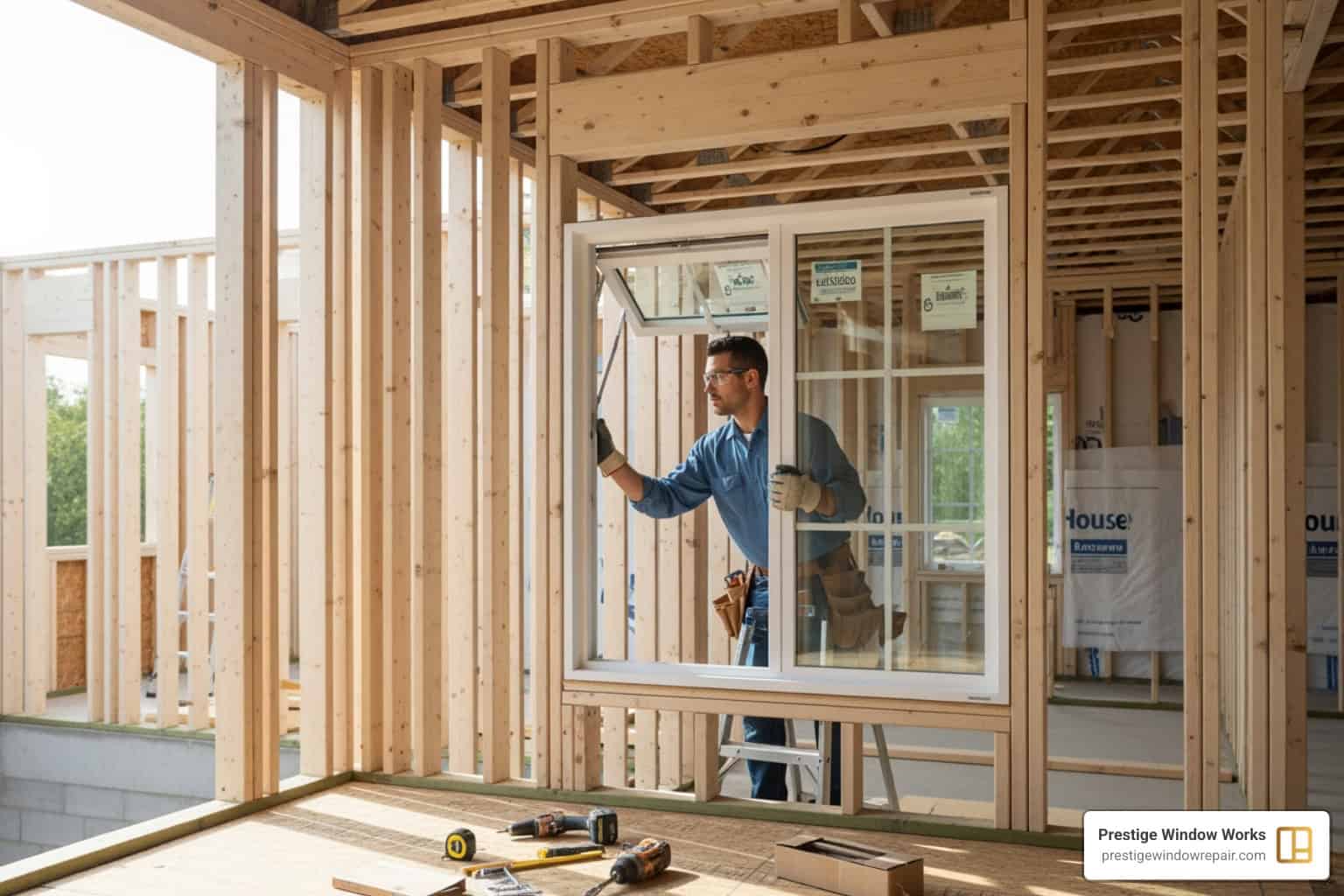
Awning Window Installation: A Step-by-Step Replacement Guide
Learn all about proper awning windows installation in Mamaroneck, NY. Check DIY steps and contact the best local window installers in Mamaroneck and beyond. Free estimates available.
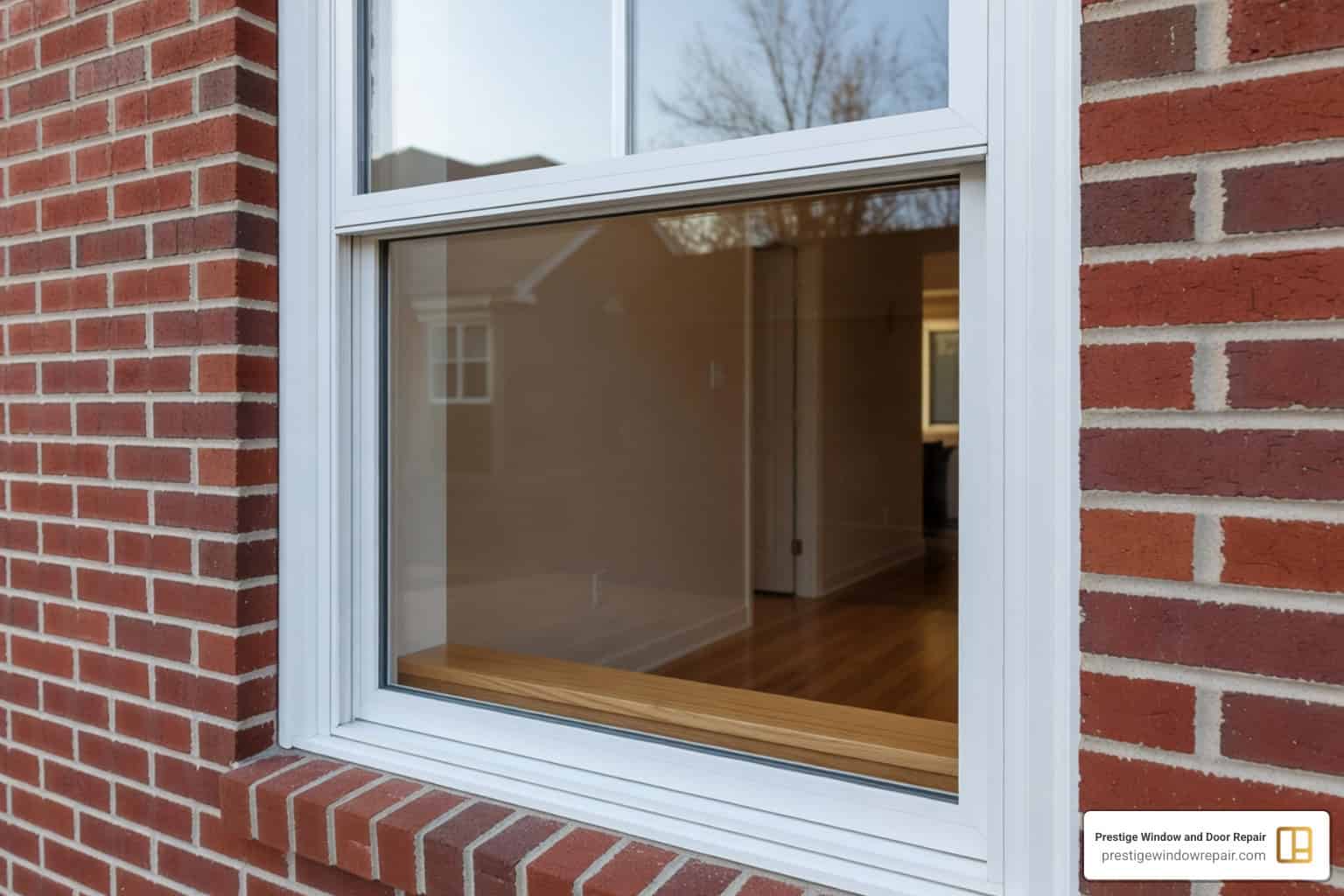
The Ultimate Guide to Window Replacement in Greenwich, CT
Searching for 'replace my windows in Greenwich, CT'? Choose Prestige Window and Door Repair for expert window installation and repair. Boost curb appeal & save on bills!
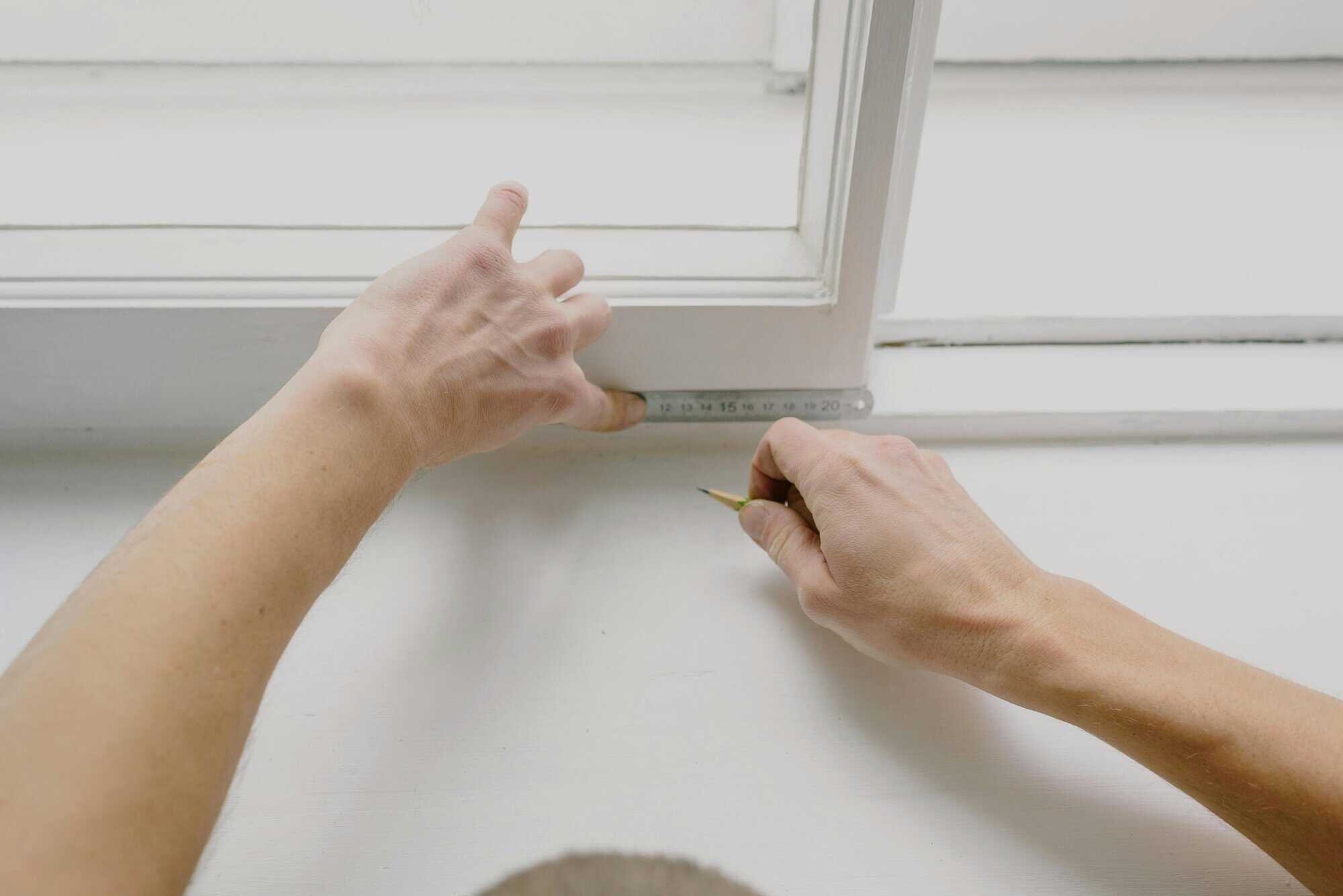
Window Glass Repair: Professional Techniques for Restoring Strength and Clarity
Window glass repair takes more than basic tools. See the professional methods that restore glass clarity, strength, and a long-lasting seal.
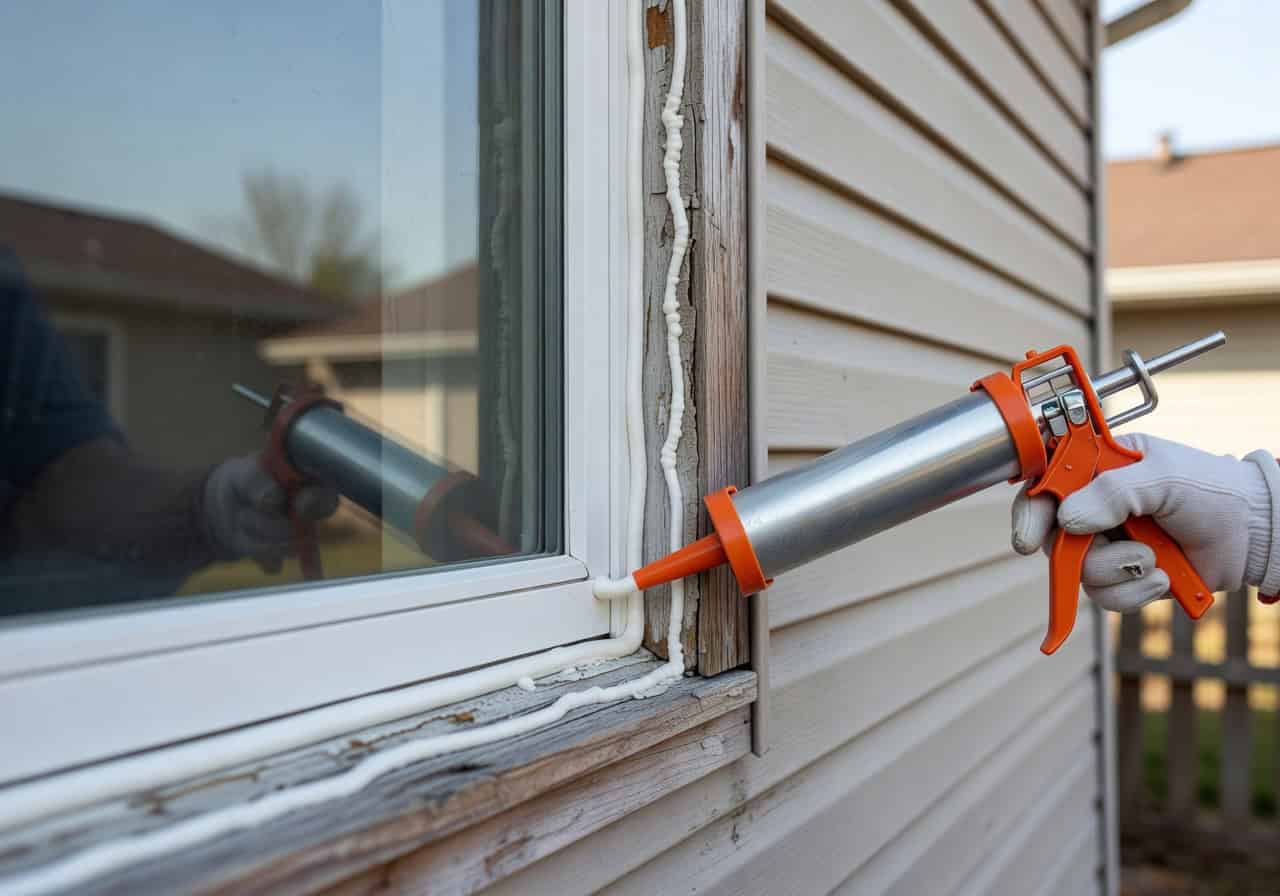
A Homeowner's Guide to Window Caulking Prices
Discover the average cost to recaulk outdoor window frame: DIY vs pro rates, factors, materials & tips for energy-efficient homes.
House Window Repair: Protecting Energy Efficiency and Home Comfort
House window repair does more than fix visible damage. Learn how failing windows affect energy bills, indoor comfort, and noise, and what repair restores.