




Double Pane Window Repair: Addressing Fogging, Seal Failure, and Insulation Loss
Double pane window repair is one of those topics where understanding what is actually happening inside the glass makes the repair decision a lot clearer. Most homeowners notice the symptom, a persistent fog between the panes that no cleaning will touch, but not everyone knows what caused it or what it means for the window’s ability to do its job.
This article covers the mechanics of why double pane windows fail, what the visible signs actually indicate, and what a proper repair involves.
What a Double Pane Window Actually Is
A double pane window is not just two sheets of glass sitting side by side. It is a factory-sealed assembly called an insulated glass unit, or IGU. The two panes of glass are separated by a spacer bar that runs around the perimeter of the unit, holding them a fixed distance apart.
That space between the panes is filled with either dehumidified air or an inert gas such as argon or krypton, both of which conduct heat far less efficiently than standard air. The entire perimeter is then sealed with a primary and secondary sealant system designed to keep the gas in and outside air out.
The insulating value of the window comes almost entirely from this sealed space. The glass itself is a poor insulator.
What makes a double pane window perform better than a single pane is the trapped gas layer between the two sheets, which slows the transfer of heat between the interior and exterior. When that system is intact, the window does its job. When the seal fails, it stops.
Why the Seal Fails
Seal failure is the underlying cause of nearly every fogging complaint in double pane window repair. Understanding why seals fail helps explain why the problem is so common and why there is no simple patch for it.
The primary cause is thermal cycling. Every day, the glass expands as it warms and contracts as it cools. Over years of seasonal temperature change, this constant movement puts cumulative stress on the sealant material at the perimeter of the unit.
The sealant gradually becomes brittle, cracks, and loses its bond with the glass and spacer. Once that bond breaks, the hermetic seal is gone.
Other contributing factors accelerate the process. Moisture that sits against the frame and edge seal from inadequate drainage or failed exterior caulking speeds up sealant degradation. Direct sun exposure on south-facing or west-facing windows intensifies the thermal cycling.
And in climates with wide temperature swings between seasons, the stress cycle is more extreme, which is why seal failure is particularly common in regions with real winters and hot summers.
The spacer bar itself also matters. Older spacer systems used aluminum, which conducts heat efficiently. That conductivity creates a temperature differential at the edge of the glass, which concentrates stress right where the seal is located.
Newer spacer materials with lower thermal conductivity distribute that stress more evenly and extend seal life, which is one reason modern IGUs tend to last longer than those installed in older windows.
What Fogging Actually Means
The fog you see between the panes is the visible result of seal failure, but it helps to understand the sequence. When the seal breaks, outside air begins to infiltrate the space between the panes.
That outside air carries moisture. As the window cools at night and warms during the day, the moisture in that infiltrated air condenses on the interior glass surfaces, just as it would on a cold glass of water on a humid day.
Early-stage seal failure often shows up as intermittent fogging that clears when the window warms. This leads many homeowners to dismiss it as a minor issue. But intermittent fogging means the seal has already failed.
The condensation clearing does not mean the seal has resealed. It means the temperature has risen enough to evaporate the condensation temporarily. The underlying problem is unchanged.
As seal failure progresses, the fogging becomes permanent. The mineral deposits and contamination left behind by repeated condensation and evaporation cycles build up on the interior glass surfaces and create the milky, hazy appearance that no cleaning can address from either side of the window.
At this stage, double pane window repair means replacing the insulated glass unit entirely. There is no meaningful way to reseal a failed IGU in the field. The unit is a factory assembly, and the conditions required to restore its thermal performance, purging moisture, re-gassing the cavity, and creating a durable perimeter seal, cannot be replicated on-site.
The Real Cost of Ignoring a Failed Seal
The visual effect of fogging is the most obvious consequence of a failed seal, but the energy cost is the one that accumulates quietly over time. A double pane window with a failed seal has lost its gas fill and is now insulating no better than a single pane of glass.
For a home with a significant number of failed units, the cumulative heat loss in winter and heat gain in summer can have a measurable effect on energy costs.
This matters in the context of double pane window repair decisions because the argument for replacing the failed unit is not just visual. It is also functional. Restoring the sealed unit restores the insulating performance the window was originally designed to deliver. Leaving the unit in place and accepting the energy loss is a recurring cost that compounds over time.
Homeowners evaluating options across multiple windows in the home will find useful context on how energy performance ties into replacement decisions in this post on the best replacement windows available for residential use.
What Double Pane Window Repair Actually Involves
Professional double pane window repair for a failed IGU follows a consistent process. The failed glass unit is removed from the window frame, which in most cases means removing the glazing beads or stops that hold it in place without disturbing the frame itself.
Once the unit is out, the frame channel is cleaned and inspected for any damage or debris that would prevent the new unit from seating properly.
A replacement IGU is then ordered to the exact dimensions of the original. This involves precise measurement of the overall unit size, the glass thickness, the spacer bar width, and any glass specification requirements, such as tempered glass in safety locations, low-emissivity coatings for improved energy performance, or specific tint levels if the original glass was tinted.
Matching the spec is important both for performance and for visual consistency with other windows in the home.
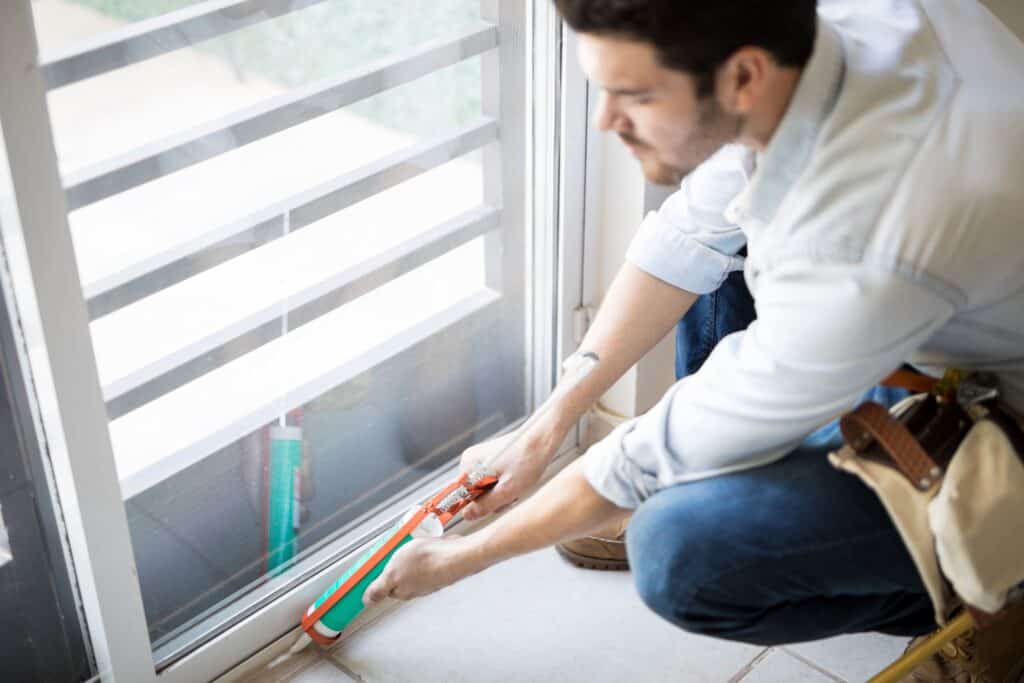
Once the new unit arrives, it is set into the frame with the appropriate setting blocks that keep the glass from making direct contact with the frame material, the glazing beads or stops are replaced, and the exterior perimeter is sealed. The result is a window that performs the way it was designed to, with a restored gas fill, a clean seal, and clear glass.
For homeowners considering a broader assessment of what their window situation involves before committing to unit-by-unit repair, the Greenwich CT window replacement guide covers the full evaluation process, including when repair makes more sense than full frame replacement.
When Double Pane Window Repair Is Not the Right Answer
Most double pane window repair situations involve replacing the failed IGU while keeping the frame in place, which is efficient and cost-effective when the frame is in good condition. But there are situations where the frame condition changes that calculation.
If the frame has significant rot, structural damage, or is so warped that a new IGU cannot sit evenly within it, the repair scope expands. A new glass unit installed into a compromised frame will not seal properly and may fail again prematurely due to the same frame movement or moisture conditions that damaged the original.
Similarly, if the window style itself is outdated, such as a frame design that no longer has available replacement IGUs in the right dimensions, a full window replacement becomes the more practical solution. This is more common with older or less common window configurations.
For a broader look at how these decisions play out in different window styles, including what the full installation process looks like when replacement is warranted, the replacement guide for awning windows covers the process in detail that translates well across styles.
Prestige Window Works approaches double pane window repair with a thorough assessment of both the IGU condition and the surrounding frame before recommending a scope of work. Getting that assessment right is what separates a repair that holds up from one that creates the same problem again in a shorter timeframe.
For homeowners with older windows that were originally installed with aluminum spacer bars and single-pane designs before double pane became standard, the classic charm post on double hung windows covers the trade-offs between preserving an older window style and upgrading its performance.
Frequently Asked Questions (FAQs)
1. Why Is My Double Pane Window Fogging on the Inside Between the Panes?
This means the hermetic seal on the insulated glass unit has failed and outside air carrying moisture has infiltrated the space between the panes. The condensation you see is moisture from that infiltrated air, and it will not clear permanently because the seal cannot reseal itself. The unit needs to be replaced to restore clarity and insulating performance.
2. Can a Failed Double Pane Window Seal Be Repaired Without Replacing the Glass?
No, not in any meaningful way. The insulated glass unit is a factory assembly that requires controlled conditions to seal properly. Field attempts to drill holes and re-dry or re-gas the unit offer a temporary cosmetic improvement at best and do not restore the thermal performance of the original sealed unit.
Full IGU replacement is the only solution that addresses both the visual and functional aspects of the failure.
3. Does a Fogged Double Pane Window Affect Energy Bills?
Yes. A failed seal means the gas fill between the panes has been replaced by regular air, and the window is now insulating approximately as well as a single pane of glass.
In a climate with significant seasonal temperature differences, this represents a measurable increase in heat loss during winter and heat gain during summer, both of which translate to higher energy costs over time.
4. How Long Do Double Pane Window Seals Typically Last?
Most factory-sealed IGUs have a functional seal life of around ten to twenty years under normal conditions. Windows in high-sun exposure, climates with extreme temperature swings, or with frames that retain moisture near the edge seal tend to see failures on the shorter end of that range. Proper installation and frame maintenance extend seal life meaningfully.
5. Can the Frame Stay When a Double Pane Window Unit Is Replaced?
In most cases, yes. As long as the frame is structurally sound and not significantly warped or damaged, the failed IGU can be removed and a new unit installed in the existing frame. Full frame replacement only becomes necessary when the frame itself is compromised to the point that it cannot hold or seal a new glass unit properly.
Let our on-site experts handle all your repair and replacement needs!
other posts
Window Seal Repair: Preventing Moisture Buildup and Restoring Insulation
Window seal repair is more specific than it sounds. Understand the different seals that protect your windows, how each fails, and what proper repair involves.
Window Frame Repair: Repairing Rot, Warping, and Structural Damage
Window frame repair is more than surface work. Understand how rot progresses, what warping signals, and how professionals bring damaged frames back.

Window Pane Replacement: How Single-Pane Damage Can Be Fixed Without Replacing the Entire Window
Window pane replacement doesn't mean replacing the whole window. Learn when the frame stays put and what the full repair process looks like.
Everything You Need to Know About Window Repair in Stamford, CT
Discover expert window repair Stamford solutions for foggy glass, wood frames, and more. Save costs, boost efficiency—schedule today!
The Ultimate Guide to Window Replacement in Greenwich, CT
Searching for 'replace my windows in Greenwich, CT'? Choose Prestige Window and Door Repair for expert window installation and repair. Boost curb appeal & save on bills!