




Doors and Windows Repair in New Rochelle, CT: A Homeowner’s Guide
Understanding the Anatomy of a Door and Window
The Window Anatomy
A window is comprised of several critical components:
- The Frame: This is the outer boundary that holds the entire window system in place.
- The Sash: This is the movable part of the window that holds the glass. In a double-hung window, you have two sashes; in a fixed window, you have one that stays put.
- The Jamb: These are the vertical sides of the window frame.
- The Sill: The horizontal piece at the bottom. It’s designed to slope outward to shed water away from your home’s interior.
- Glazing: This is simply the glass itself. It can be single, double, or even triple-paned.
The Door Anatomy
Doors share some terminology with windows but have their own unique features:
- Door Panel: The main body of the door that swings or slides.
- Threshold: The bottom part of the door frame that you step over. Much like a window sill, it’s designed to keep water out.
- Casing and Brickmould: These are the decorative and functional trim pieces that cover the gap between the door frame and the wall.
- Weatherstripping: This is the unsung hero of energy efficiency. It’s the flexible material used to seal the gaps between the sash and the frame (or the door panel and the frame) to prevent air leaks.
Maintaining these parts is essential. If you notice your windows aren’t locking correctly or the crank is spinning without moving the sash, you may need a window door mechanism repair in New Rochelle, CT to restore functionality without the cost of a full replacement.
Versatile Door and Window Styles for Every Room
Every room in your home has different needs for light and airflow. Choosing the right style of door and window can completely transform the feel of your living space.
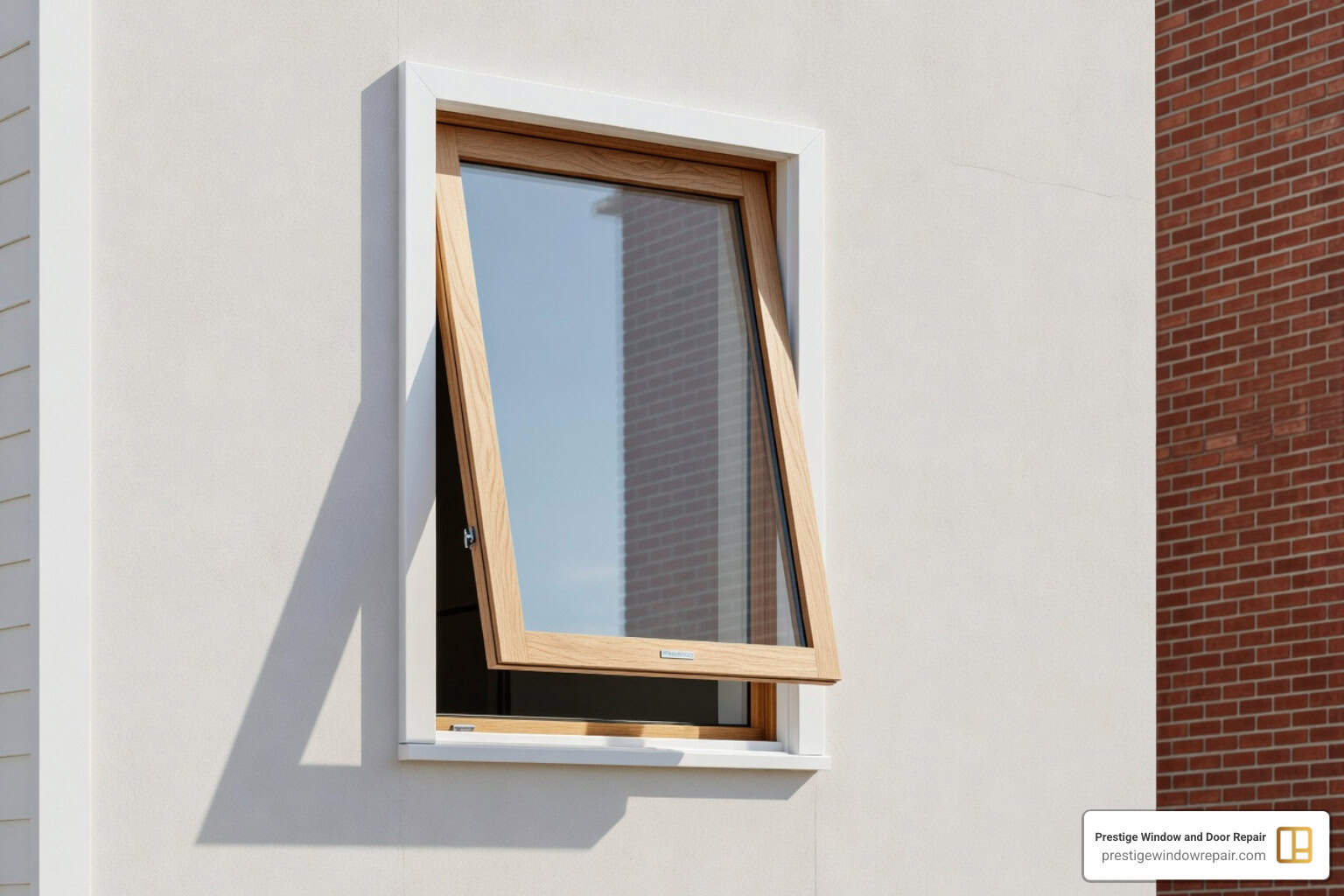
- Awning Windows: These are hinged at the top and open outward from the bottom. They are fantastic for rainy climates because the glass creates a little “awning,” allowing you to get fresh air even during a light drizzle. They are often placed high on walls for privacy.
- Casement Windows: These crank open like a door. They are highly popular above kitchen sinks because they are easy to operate with one hand. Because the sash presses firmly against the frame when closed, they are exceptionally energy-efficient. If yours are getting stuck, we offer specialized casement window repair in Greenwich, CT to get them cranking smoothly again.
- Double-Hung Windows: The quintessential American window. Both the top and bottom sashes move, allowing for excellent ventilation (cool air in the bottom, warm air out the top).
- Picture Windows: These are fixed units designed to frame a view. They don’t open, which makes them the most energy-efficient option since there are no moving parts for air to leak through.
Homeowners often mix and match these styles — pairing a large picture window with flanking casements — to maximize both the view and the breeze.
Choosing the Right Materials for Durability
The material you choose for your door and window frames dictates how much maintenance you’ll be doing over the next twenty years.
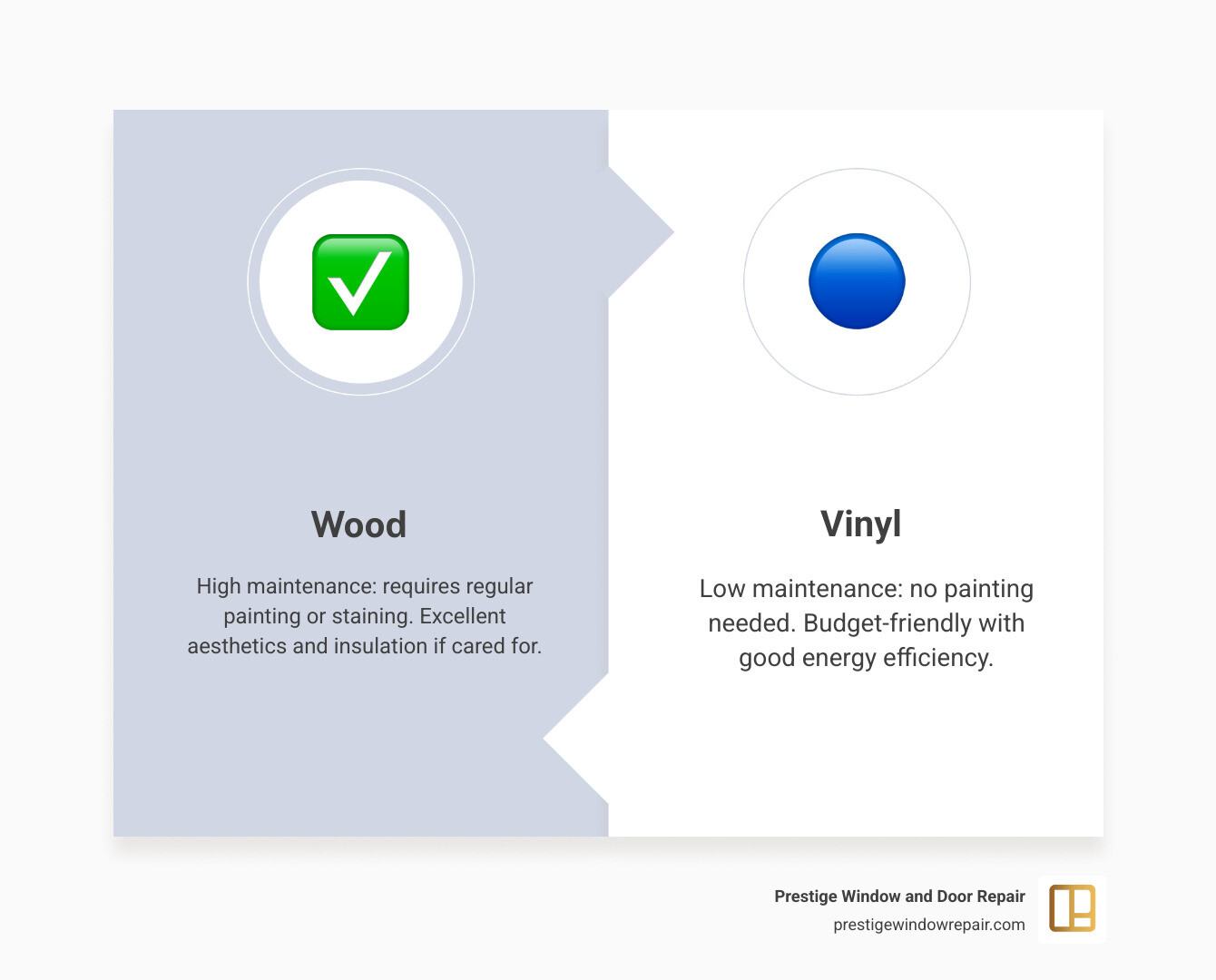
| Material | Maintenance Level | Durability | Best For |
|---|---|---|---|
| Wood | High (Needs paint/stain) | High (if maintained) | Historic homes, aesthetics |
| Vinyl | Low | Medium | Budget-friendly, efficiency |
| Fiberglass | Very Low | High | Extreme temperatures |
| Steel | Low | Very High | Security, entry doors |
Wood remains a favorite for its timeless beauty and natural insulating properties. However, it is susceptible to moisture. If you find soft spots in your frames, it’s important to look into rotten window repair before the damage spreads to your home’s structural headers.
Essential Door Types for Function and Style
Your doors are the “handshake” of your home — the first thing people touch and interact with. They need to be secure, but they also need to look great.
Entry and Patio Doors
Your front entry door is usually a statement piece, often made of steel or solid wood. But the back of the house is where the magic happens. French doors provide a classic, neat transition to a patio or garden. They consist of two doors that hinge on the sides and meet in the middle. If they start to sag or gap, a French doors repair in New Rochelle, CT can realign them so they lock securely.
Gliding doors (or sliding doors) are the space-savers. Since they slide on a track, they don’t require any “swing room,” making them perfect for tight balconies or busy decks.
Sidelights and Transoms
To add architectural interest, many homeowners add sidelights (narrow vertical windows flanking the door) or transoms (windows placed above the door). These features let in extra light without compromising the security of the main door panel.
Enhancing Door and Window Design with Custom Features
Customization is what makes a house a home. Beyond the basic door and window types, you can add features like:
- Grilles (Muntins): These are the bars that divide the glass into smaller panes, giving a traditional look.
- Specialty Shapes: Think Gothic arches, circles, or triangles. These are usually fixed (picture) windows used as design accents.
- Hardware Finishes: From oil-rubbed bronze to brushed nickel, hardware is the “jewelry” of your door.
Understanding the anatomy of a front door helps you realize how many small choices — like a dentil shelf on a Craftsman door or decorative stained glass — can boost your curb appeal.
Energy Efficiency and Performance Ratings
In the Northeast, we deal with humid summers and freezing winters. Your door and window units are your primary defense against high utility bills.
Key Performance Metrics
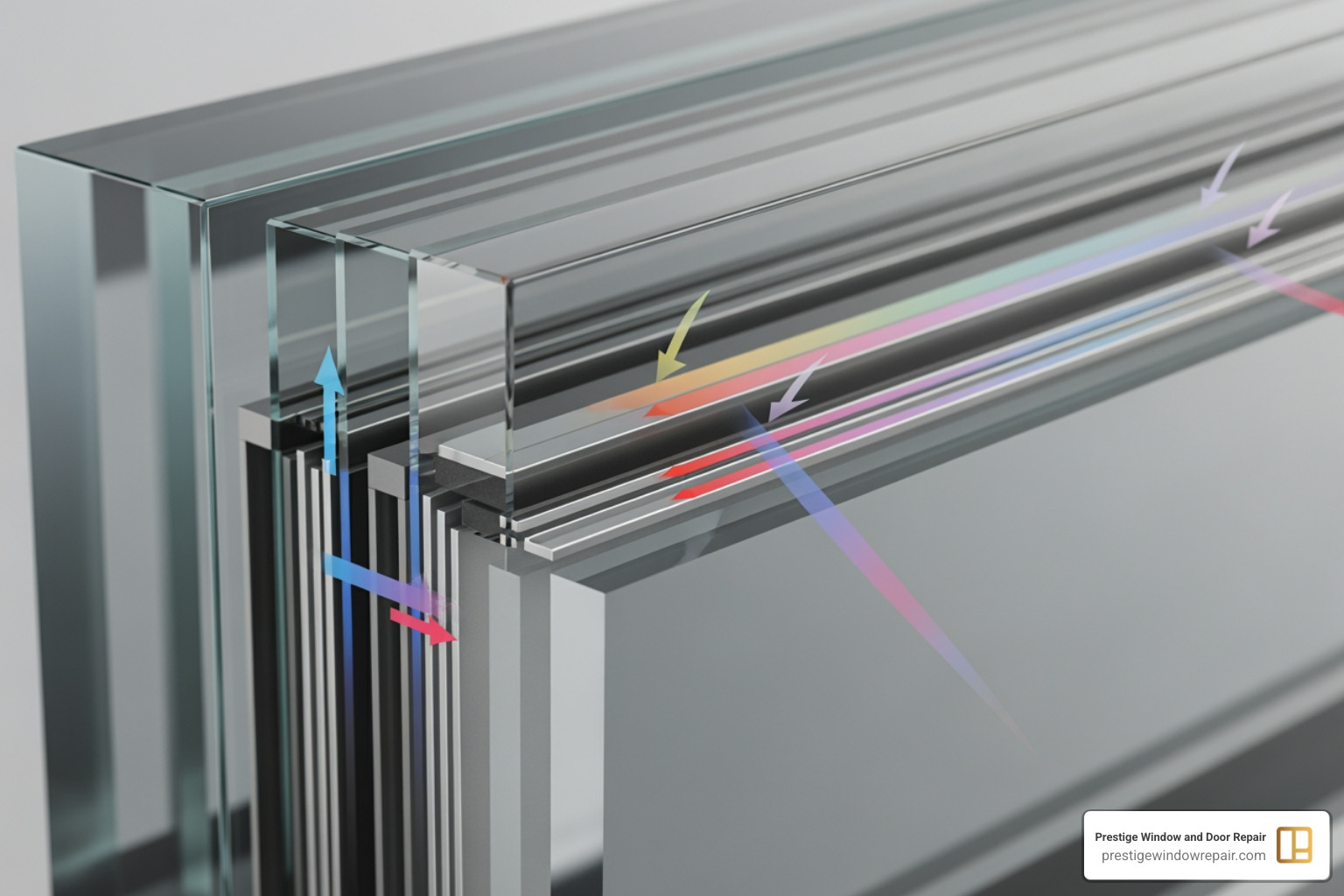
- Low-E Glass: This is a microscopically thin coating that reflects heat. In the summer, it keeps the sun’s heat out; in the winter, it reflects your furnace’s heat back inside.
- U-Factor: This measures how well a window insulates. The lower the number, the better the window is at keeping heat in. You can find more details on thermal performance standards at Wikipedia.
- Solar Heat Gain Coefficient (SHGC): This measures how much solar radiation comes through the glass.
- Condensation Resistance: Rated from 1 to 100, a higher number means the window is better at resisting that annoying interior fogging.
Different glass types offer different levels of protection. For instance, tempered glass is four times stronger than standard glass and is a safety requirement for doors and windows near the floor. Homeowners often find that upgrading their glass or repairing seals can lead to immediate savings on their energy bills.
Signs You Need a Door and Window Repair or Replacement
How do you know when your home’s openings are failing? Sometimes the signs are subtle, like a slight whistling sound on a windy day, and sometimes they are obvious, like a puddle on the floor.
Common Red Flags
- Drafts: If you feel a breeze when the window is closed, your weatherstripping or seals have failed.
- Foggy Glass: This indicates a “blown seal” in double-pane glass. The insulating gas has escaped, and moisture has moved in.
- Sticking or Jamming: This is common in wood windows that have swollen or in doors where the house has settled. Often, a professional window adjustment service can fix this without needing a full replacement.
- Visible Rot: Especially in older homes, water can get trapped against wood sills, leading to decay.
When to Schedule a Door and Window Inspection
We recommend a seasonal check-up. Before the winter hits, walk around your home. Are the locks engaging easily? Is there condensation between the panes? If your doors are dragging on the carpet, you might just need door adjustment near me in Darien, CT to get them swinging “smooth as butter” again.
Frequently Asked Questions
What is the difference between double-hung and single-hung windows?
In a single-hung window, only the bottom sash moves up and down; the top sash is fixed. In a double-hung window, both sashes move. This allows for better airflow and makes cleaning much easier, as most modern double-hung windows have sashes that tilt inward so you can wash the outside glass from inside your house.
How does Low-E glass benefit my home?
Low-E (low-emissivity) glass is a game-changer for interior comfort. It blocks a significant amount of UV rays, which prevents your carpets, artwork, and furniture from fading. More importantly, it acts as a thermal mirror, keeping your home’s temperature stable and reducing the workload on your HVAC system.
Should I repair or replace my windows?
This is the most common question we get at Prestige Window and Door Repair. If the frames are structurally sound and the issue is just a broken lock, a foggy pane, or a bit of surface rot, repair is significantly more cost-effective. Choosing window glass replacement instead of a full-frame unit can save you thousands of dollars while still giving you the benefits of new, energy-efficient glazing. Replacement is usually only necessary if the frames are completely warped or if you want to change the size or style of the opening entirely.
Conclusion
Your home’s door and window systems are vital to your daily comfort and long-term property value. By understanding the anatomy of these openings — from the threshold of your front door to the sash of your kitchen casement — you can spot small issues before they become expensive disasters.
At Prestige Window and Door Repair, we believe in providing long-lasting solutions that prioritize your safety and comfort. Whether you need a simple window adjustment in Mamaroneck or a complex rotten wood restoration in Norwalk, our team is dedicated to expert care for your home’s openings. Don’t let a sticking door or a drafty window ruin your home’s peace. If you’re in need of professional assistance, explore our services or contact us for a Window Repair in Norwalk, CT consultation today. We are here to ensure your home remains the beautiful, secure sanctuary it was meant to be.
Let our on-site experts handle all your repair and replacement needs!
other posts
Sliding Glass Door Repair: Fixing Sticking Tracks, Broken Rollers, and Misalignment
Sliding glass door repair starts with knowing what's causing the problem. Learn what's behind sticking tracks, worn rollers, and misalignment.
Awning Window Installation: A Step-by-Step Replacement Guide
Learn all about proper awning windows installation in Mamaroneck, NY. Check DIY steps and contact the best local window installers in Mamaroneck and beyond. Free estimates available.
How to Stop Your Door From Squeaking Using Household Items
Fix squeaky door hinge in Larchmont, NY! Use household items like soap or oil, or book a pro door repair service. Step-by-step guide with tips.
Home Window Repair: Practical Solutions for Drafts, Cracks, and Aging Frames
Home window repair doesn't have to be overwhelming. Get practical solutions for drafts, cracked glass, and aging frames that actually work.
Timber Troubles? How to Repair Your Awning Windows
Solve your awning window troubles! Get expert awning window repair in Greenwich, CT - follow tips, diagnose issues, and fix operators, hinges & sashes.